
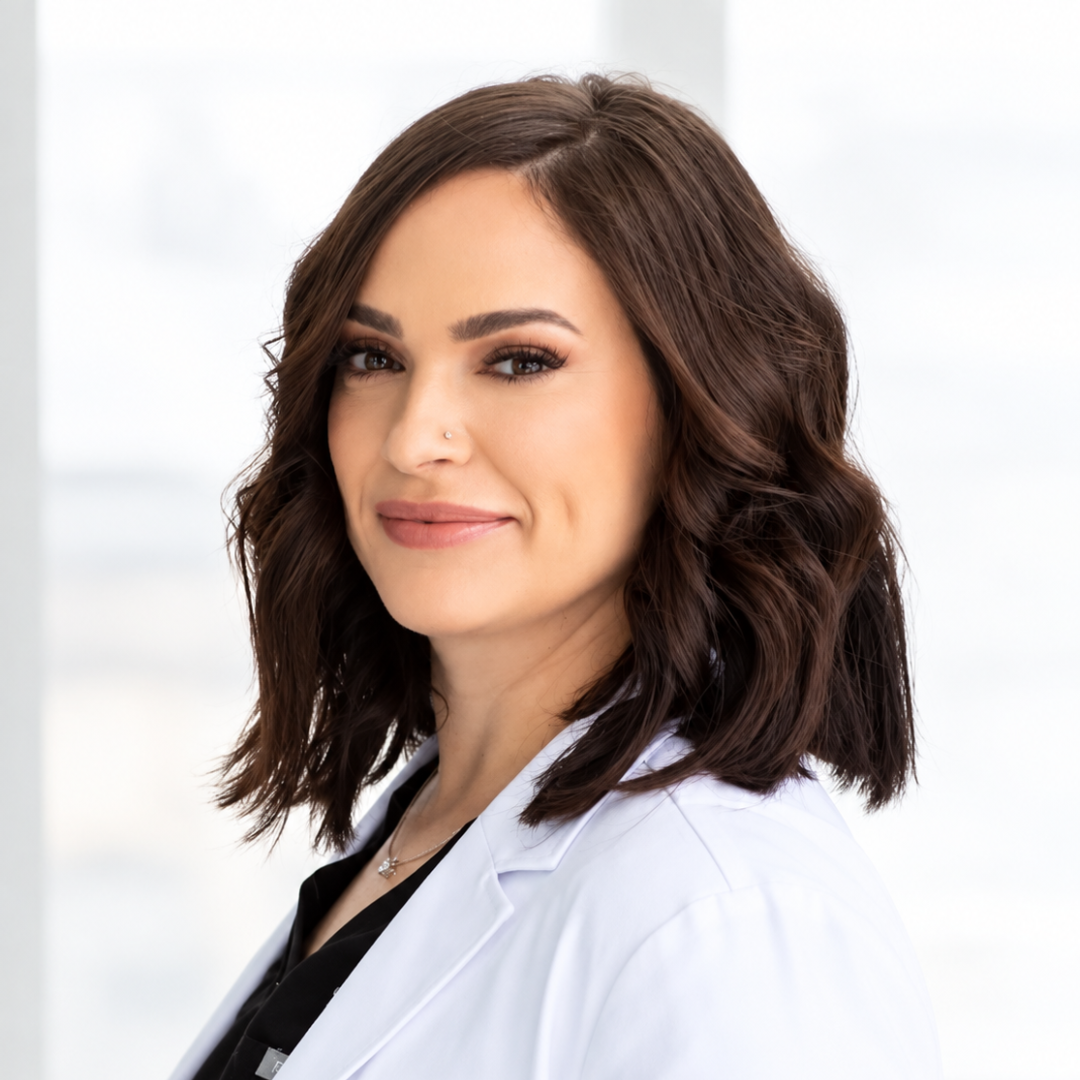

A patient could be weeks out from her next scheduled prenatal appointment when her blood pressure begins to climb. Without any mechanism to capture that trend in real time, the window for early intervention quietly closes. It is precisely this gap that maternal-fetal medicine specialists are working to close, and Sarah Pachtman, MD, sees remote monitoring as one of the most promising tools available for doing it.
Preeclampsia and gestational hypertension, Pachtman notes, are conditions where timing matters enormously. "Remote blood pressure monitoring, especially, can catch preeclampsia or gestational hypertension before it becomes severe or life-threatening," she said. "Trends in blood pressure and/or new-onset hypertension in pregnancy are very important and can help establish or lead to suspicion for these diagnoses." The data, though, is only useful if it is acted on. Pachtman is direct about the operational challenge this creates: care teams must respond quickly and "avoid becoming buried in it because of its importance."
That is where artificial intelligence enters the conversation, at least in theory. Pachtman envisions a future in which AI helps filter the incoming stream of patient-generated data, flagging values that warrant clinical attention. "AI functions in the future could potentially help sort through the data and point out significant values," she said. The conditional framing is deliberate. The same caution applies to AI-assisted patient education. Pregnancy misinformation is already widespread online, concentrated heavily around safe medications and vaccines, and Pachtman is unambiguous about the stakes. "All pregnancy misinformation is worrisome because of the devastating impacts that this type of misinformation can have." Any AI tool offering guidance to pregnant patients, she argues, would require "extensive training and vetting" before it could be trusted to provide safe answers.
The geography of the problem adds another layer of urgency. Maternity care deserts, areas of the United States where access to obstetric services has shrunk or disappeared entirely, represent a population that remote monitoring and telehealth could theoretically reach. Pachtman acknowledges the potential. She also names the limit. "So many of these patients still do need to be seen in person," she said, "and so I'm not sure if the gap can be realistically closed just using remote technologies." The tools can extend reach; they cannot fully substitute for a physical exam or an in-person clinical relationship.
What Pachtman's framing ultimately surfaces is a tension that will define how these technologies develop. The promise of continuous monitoring is real, and for a condition like preeclampsia, catching a trend early can mean the difference between a managed delivery and a life-threatening emergency. But promise and deployment are not the same thing. The question of whether care teams can respond fast enough, whether AI can be vetted thoroughly enough, and whether remote access can reach far enough into underserved regions remains genuinely open.
