
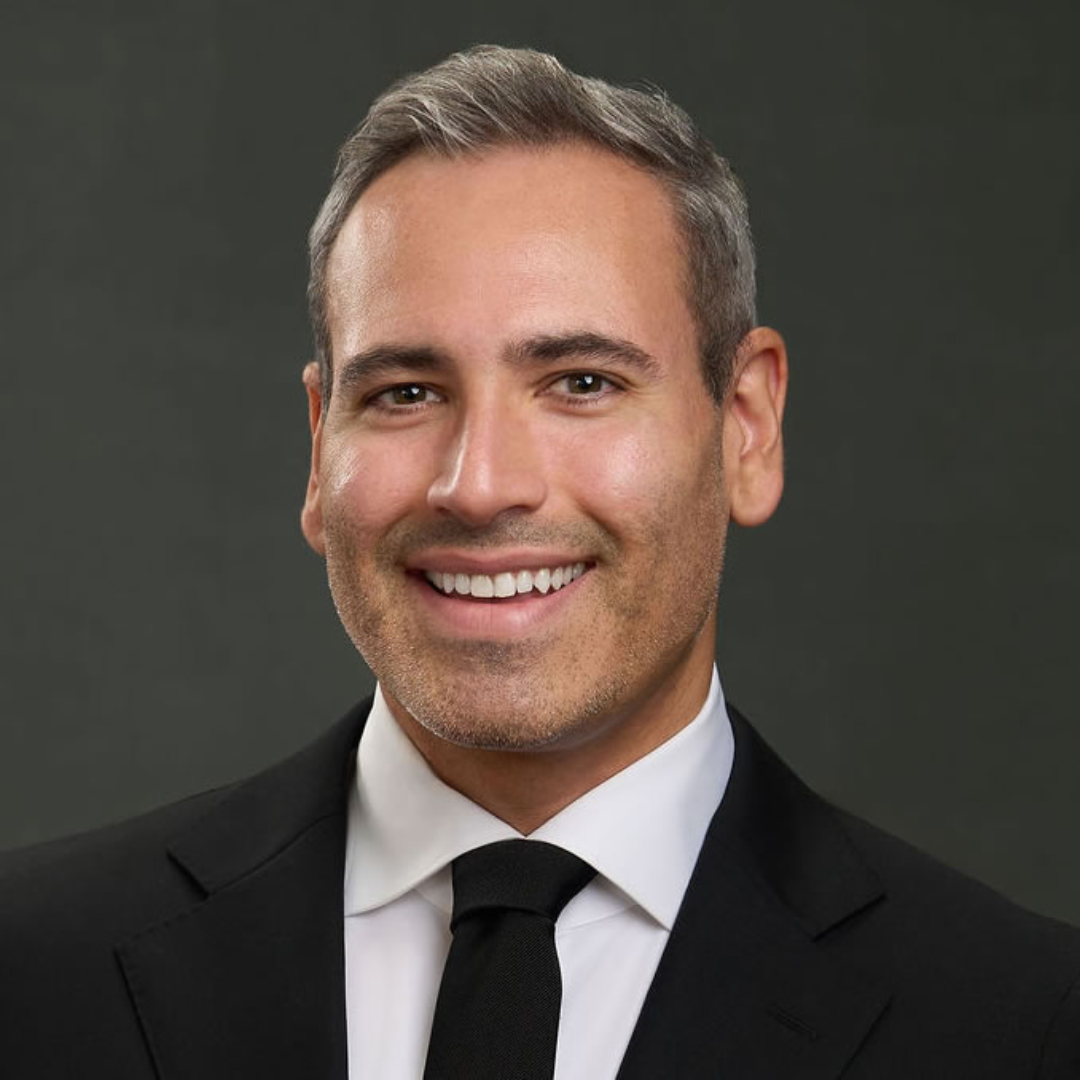

Imagine a patient whose knee pain has outlasted every standard treatment. Painkillers no longer work. Steroid injections have stopped helping. Physical therapy has run its course. The logical next step, in the current healthcare system, is to see an orthopedic surgeon. What that patient almost certainly will not hear about is an alternative performed through a tiny puncture, with a recovery that can be measured in days rather than weeks. According to Gustavo Elias, MD, an interventional radiologist, that gap is not accidental.
"It's a combination of factors: lack of publicity, the novelty or 'new-ness' of the procedure, current medical practice, and business," Elias said. In his account, orthopedic surgeons are "either unaware of other treatment options or incentivized to operate rather than refer to another specialist." That dynamic plays out across many conditions interventional radiology can address, including enlarged prostates, blocked blood vessels, and joint disease, and it means patients who might benefit from a less invasive path often never learn one exists.
The specialty itself has also been slow to fully claim its own territory. Historically, interventional radiologists functioned largely as technicians on call, performing procedures at the direction of other physicians and then stepping aside. Elias describes the old model plainly: IR physicians were instructed to perform "special procedures" for patients, with the referring surgeon or specialist handling everything else. As the complexity of those procedures grew, that arrangement became untenable. "IR physicians have stepped into their identity as a 'surgical' specialist," Elias said, "managing everything related to our procedures for our patients, which increases patient access and satisfaction."
Artificial intelligence is reshaping what the field looks like from the inside. Elias acknowledges that AI has become genuinely capable at detecting certain life-threatening conditions, including stroke, pulmonary embolism, pneumonia, and bone fractures. The gains have been rapid. But he is careful not to overstate what the technology can do on its own. Artifacts and normal anatomical variants can fool AI analysis, he notes, and a radiologist is still legally required to render an interpretation and sign off on every imaging study. The technology changes how quickly things move, and what can be caught, but it does not remove the physician from the loop.
Taken together, the picture Elias draws is of a specialty that has quietly expanded its clinical reach while remaining largely invisible to the patients who might benefit most from it. The procedures exist. The outcomes, in the right cases, compare favorably to surgery. What hasn't kept pace is the infrastructure around referrals, awareness, and the profession's own willingness to present itself as a front-line option. Whether that changes may depend less on what interventional radiologists can do in the procedure suite and more on whether the system around them ever learns to send patients their way.
