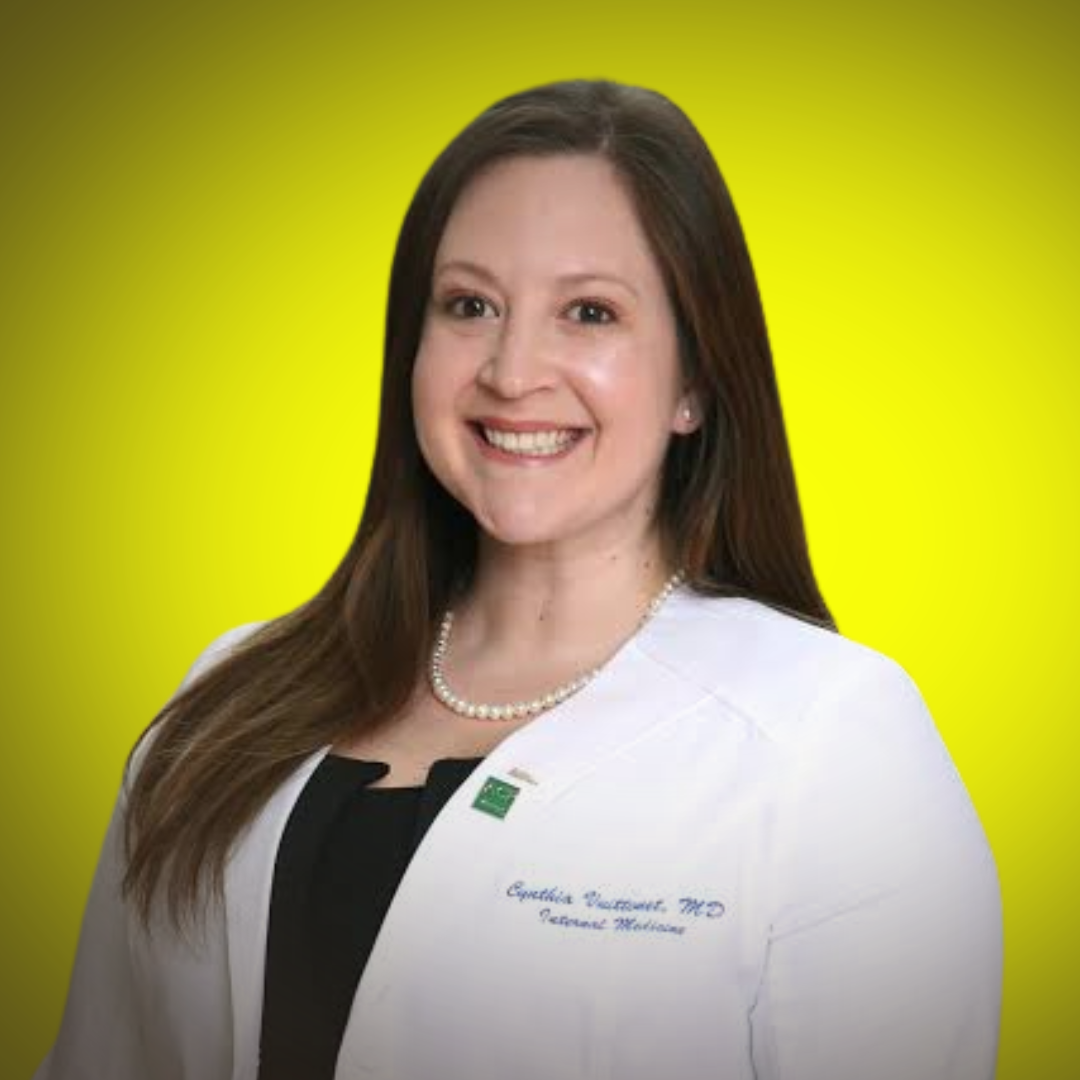

The radiologist was reviewing the scans, and Cindy Vuittonet, MD, FACP, FASAM, thought it was professional courtesy. Then she saw what was on the images, and her life, her son, her career collapsed into uncertainty all over again. The cancer she believed she had beaten was back. She wiped her tears, steadied herself, and went back to work. Her patients needed her.
That tension, between the physician who must remain present and the person who is quietly falling apart, sits at the heart of what many doctors discover only when illness finds them personally. The clinical distance that makes it possible to function in medicine also makes it easy to forget what a patient actually endures. Vuittonet did not forget. She lived it twice.
What shifted most profoundly, she says, was her understanding of fear. In practice, a patient's anxieties can appear medically unfounded, difficult to rationalize against the evidence in a chart. But Vuittonet found those same fears rising in herself when she became the patient. "I listen to my patients and the irrational fears they have were also once mine," she says. "Medically and intellectually they can seem irrational, but as a patient it is real and our concerns and fears are valid." The clinical label of irrational, she learned, is a view from only one side of the room.
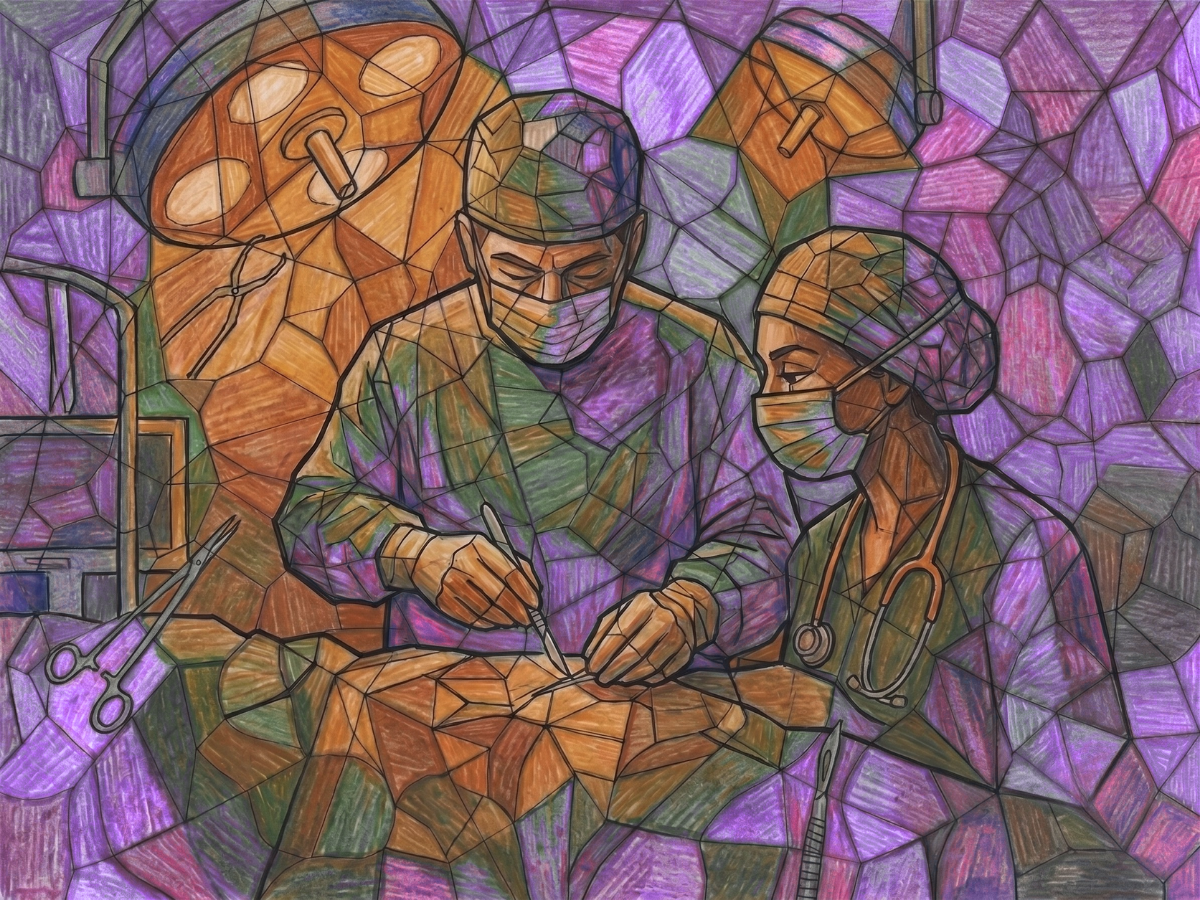
She returns often to the physical reality of the exam room itself, a detail that clinicians rarely pause over. "The vulnerability of sitting on an exam table," she says, "naked under an ill-fitting and unflattering gown with only your dark and scary thoughts with you in that room." That image carries weight precisely because it is so ordinary. Millions of patients experience it daily, and most physicians walk past it without registering what it costs. Vuittonet's prescription is direct: "The doctor should provide the light to guide you through that dark time, but please respect the vulnerable patient in front of you."
There is one detail from her illness that resists easy framing. When she was struggling most, a patient came to lift her up. She offers no further explanation of what that looked like, and none is needed. For a physician accustomed to being the one who steadies others, the direction of that care flowing back toward her carried its own kind of instruction.
