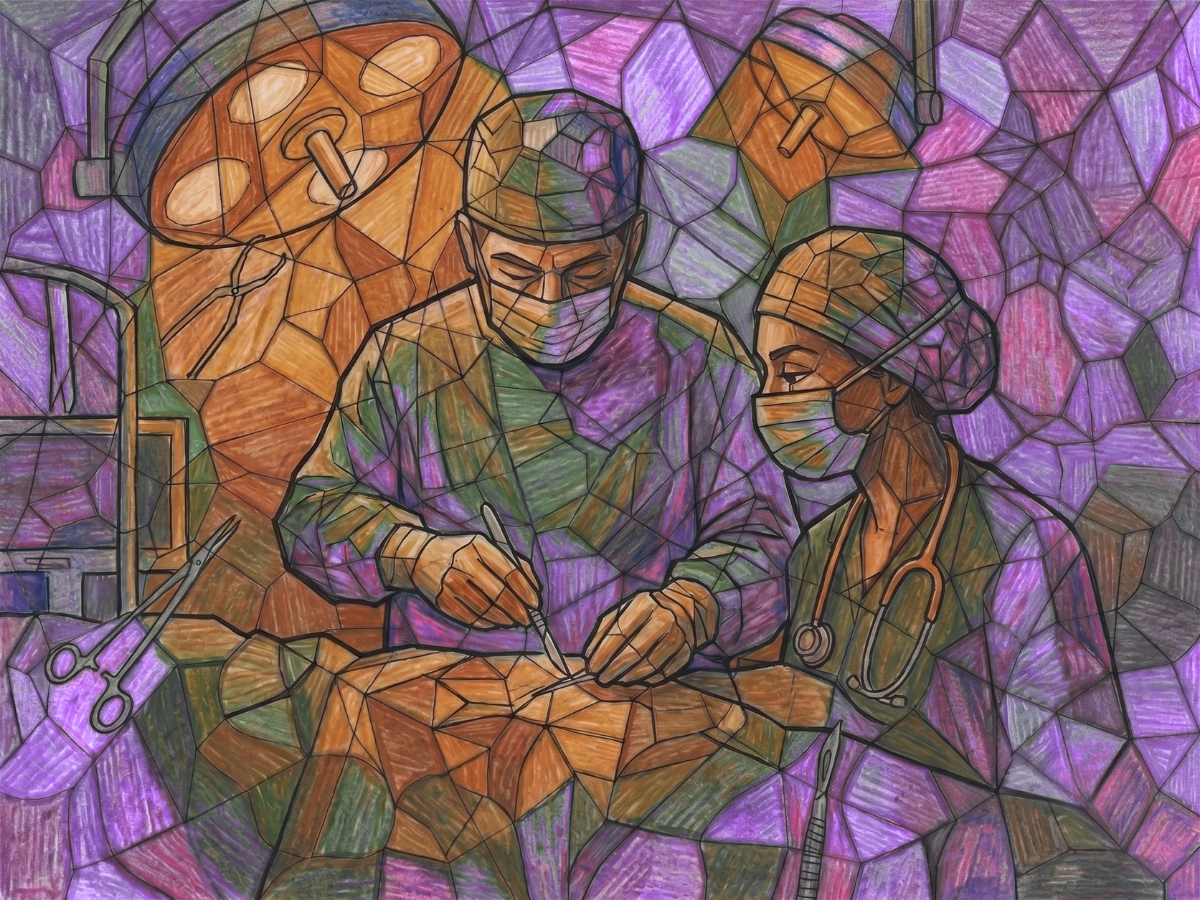


For years, Russell Kennedy MD told himself he needed to be tougher. More resilient. Better at absorbing the grinding pace of primary care without complaint. What he eventually came to understand was that the problem had nothing to do with endurance. "What was draining me wasn't the workload," Kennedy said, "but the growing gap between what I thought a doctor was supposed to be and the way I was being asked to practice."
That distinction, between exhaustion and moral injury, is one a growing number of physicians are pressing the public and their own institutions to take seriously. Burnout is a word that locates the problem inside the physician. Moral injury locates it in the conditions the physician is forced to work within. Kennedy's account points squarely at the second. He entered medicine drawn to understanding and connection, to the belief that genuine relationship was inseparable from genuine care. What he found, over years of brief appointments and prescription-centered visits, was a practice that had been quietly stripped of those qualities. He learned to work within the system. But the accommodation cost something.
"The compromise I made for years was accepting that brief visits, and focus on prescribing meds was 'good enough' when I knew many patients needed something deeper," he said. "I learned to work within the system, but in doing so I often set aside my human nature and that of my patients."
He now considers what that younger version of himself, the one who started medical school believing connection was central to medicine, would make of those years of compromise. The answer is not flattering to the system. Kennedy thinks that version of him would have challenged the compromise much sooner. The fact that he didn't, that he absorbed the misalignment for as long as he did, is itself part of what the word burnout obscures. It frames the injury as a slow accumulation of stress rather than a repeated, conscious suppression of professional values.
"Every time a financial decision comes between a doctor and a patient, the system survives, but a little piece of both of them dies."
That line carries the weight of the argument Kennedy is making. The harm is bilateral. It falls on the patient who receives care calibrated to a billing structure rather than to their actual suffering. And it falls on the physician who is asked, visit after visit, to accept that calibration as normal. Whether the profession, or the public, or the institutions that finance care are prepared to take that seriously as a structural problem rather than an individual one is the question Kennedy's account leaves open.
