

For years, patients with ME/CFS were handed a seemingly reasonable prescription: exercise more, build up gradually, and the body would follow. Many came out worse. Now, as Long COVID has brought millions of people with strikingly similar symptoms into the health system, rehabilitation specialists are confronting how badly that framework failed, and what needs to replace it. The core shift is away from pushing through symptoms and toward something more deliberate, what clinicians now call pacing.
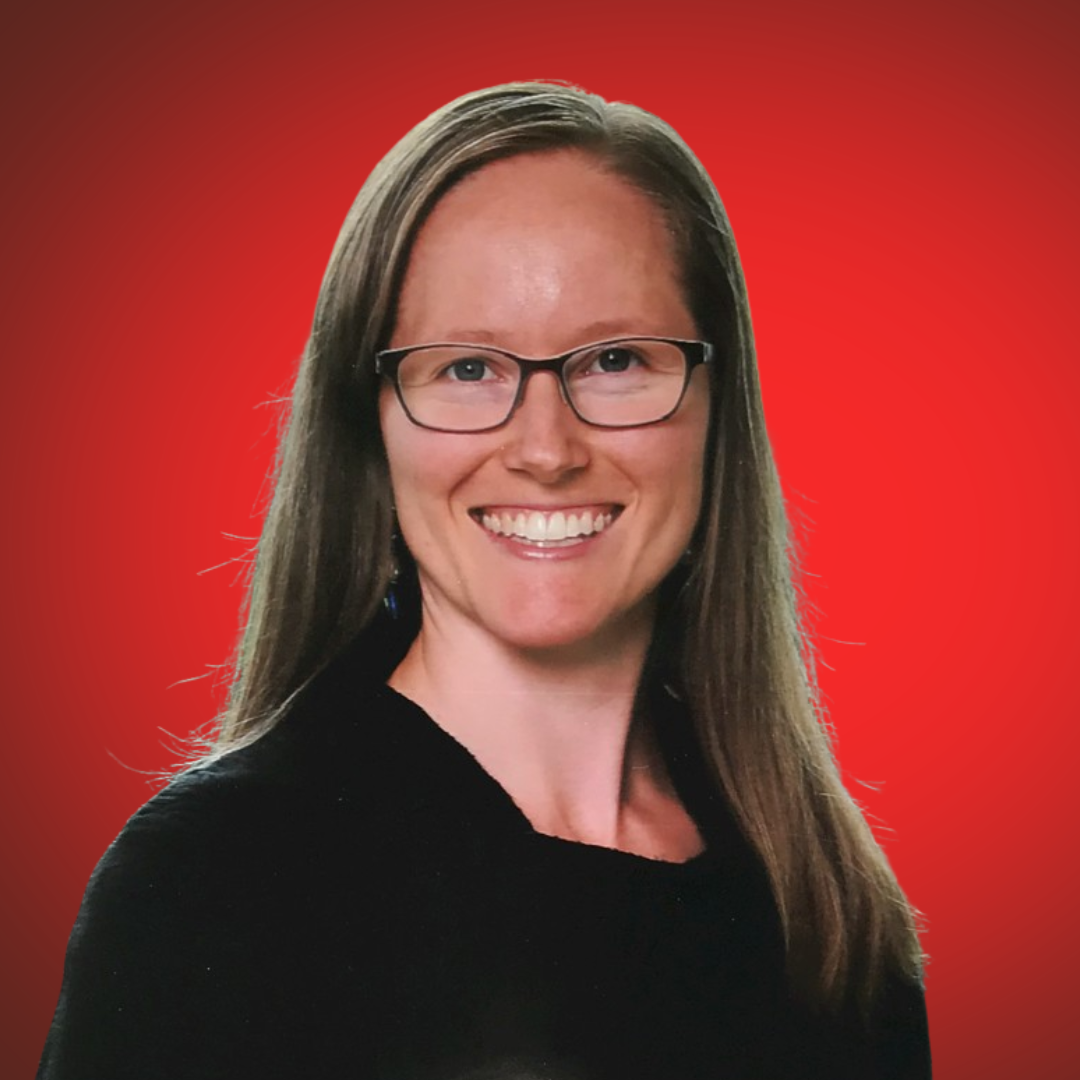
Naomi Bauer, PT, DPT, a physical rehabilitation specialist working with this patient population, describes pacing as far more involved than simply resting more. "Pacing is about using rest and restorative practices strategically to support activity and daily life," Bauer explains. "How you modify things including timing, duration, and set up all factor in along with control of different exertion types and what strategies you use for recovery." Building any kind of activity progression, she adds, requires a careful assessment of where a patient actually is, including their current capacity, their stressors, how post-exertional malaise presents for them specifically, and what their triggers are. There is no generic program that works across this population.
What makes the work harder is that many patients arrive having already been failed by the medical system in a deeply personal way. Bauer is direct about the pattern:
"Many patients get told their lab tests and imaging are normal so there is 'nothing we can do' medically, or get diagnosed with mental health conditions such as anxiety or told their symptoms are 'all in your head.' This can lead to significant trauma and stigma for these patients."
The consequence of that dismissal compounds the clinical challenge. Patients who have been told their suffering is imaginary are harder to reach, more guarded, and often delayed in getting to a provider who can actually help. Bauer's position is that ignorance of a biological mechanism is not the same as absence of pathology. "Every clinician needs to understand that the symptoms experienced are real, many can be measured physiologically," she says, "and just because we don't have biomarkers or approved treatments doesn't mean we can't help them."
Access to that help is its own problem. Many patients with ME/CFS and Long COVID are too ill to travel to a clinic, too sensitive to chemical exposures or environmental changes to safely sit in a waiting room, or simply too far from any provider who understands their condition. Virtual care has become a significant part of Bauer's practice for exactly these reasons. The trade-off is real: she acknowledges that the inability to physically examine a patient is a genuine limitation. But for this population specifically, she argues that limitation is outweighed by what virtual care makes possible, reaching people who are immunocompromised, housebound, or living in areas where no knowledgeable provider exists within a reasonable distance. Patients can be seen with less energy expenditure, in an environment they control.
What runs through all of it, the pacing work, the skepticism toward dismissive diagnoses, the case for virtual access, is a single practical insistence: be curious. The patients showing up with these conditions are not mysteries to be shelved until better research arrives. They are people whose symptoms can often be measured, whose functional limits can be mapped, and whose care can be designed to work with those limits rather than against them. The question is whether enough clinicians are willing to learn how.
