
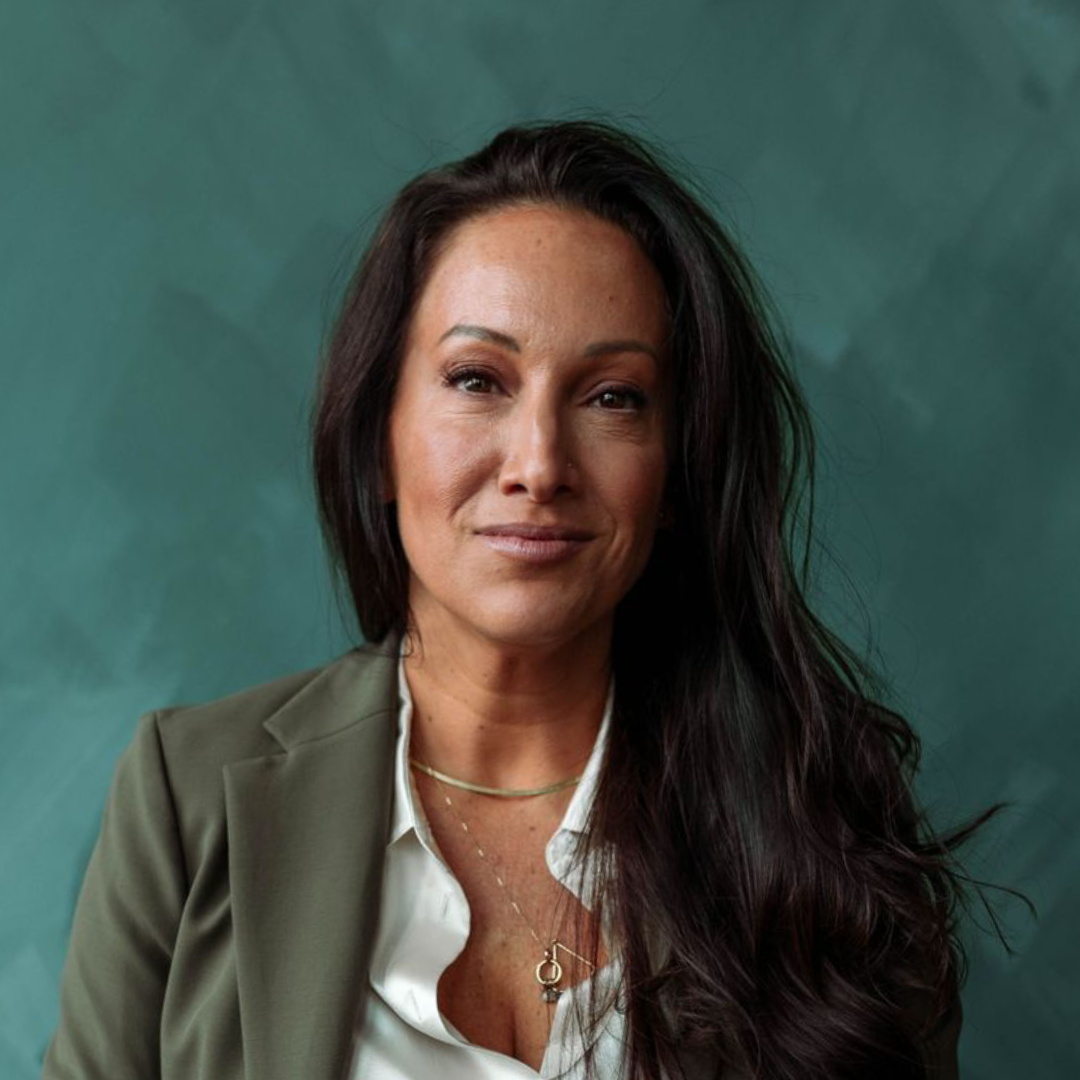

The red flags, according to Dr Siân West, are not hard to spot. Compounded "bioidentical" hormones marketed as safer than FDA-approved options. Saliva hormone tests. Supplements that promise to "balance" your hormones. Each has become a fixture of the booming menopause wellness market, and none, West says, holds up to the evidence. The pitch is seductive precisely because so many patients have spent years feeling dismissed by their regular doctors. The alternative on offer, however, is frequently a product dressed up as a solution.
"Real menopause care starts with your symptoms and your health history, not a product," West said. "If every patient gets the same protocol, or the person giving advice is also selling the cure, that is marketing." The distinction sounds simple. In practice, for patients sorting through a feed of influencer testimonials and telehealth landing pages, it is anything but.
Two groups in particular get lost in this environment. West points to both patients who are brushed off when they raise menopause symptoms and those whose concerns are minimized in ways shaped more by a clinician's personal beliefs than by clinical evidence. "Too many clinicians let their own beliefs shape care that should be guided by evidence, and that is simply wrong," she said. Limited training in hormone therapy compounds the problem for both populations. When care gets delayed, patients turn to unregulated sources. The cycle reinforces itself. West's framing of the solution is direct: listen first, use evidence-based dosing, and treat the patient as the expert on their own body.
West is building her own telehealth practice, The TelePause, with a starting footprint in Michigan, where she is currently licensed and still practicing full time. The geographic constraint is not incidental. Physicians are required to hold a license in every state where a patient is physically located, and the rules governing telehealth vary considerably from state to state. West describes the current system as "overly complicated" and the underlying logic as difficult to defend. "A physician trained and board certified in the U.S. can practice safely anywhere in the U.S.," she said, "so why is licensure divided by state?" A national medical license, in her view, would expand access overnight.
That access question sits at the center of the larger problem. The menopause care market is growing fast, and the providers filling the gap are not all offering the same thing. Some are offering evidence-based treatment. Others are offering a protocol in a box and a monthly subscription. West's own checklist for patients is pointed: a good clinician, she notes, will also tell you when menopausal hormone therapy is not right for you. That willingness to say no is, in its own way, the clearest signal of who is actually practicing medicine.
