
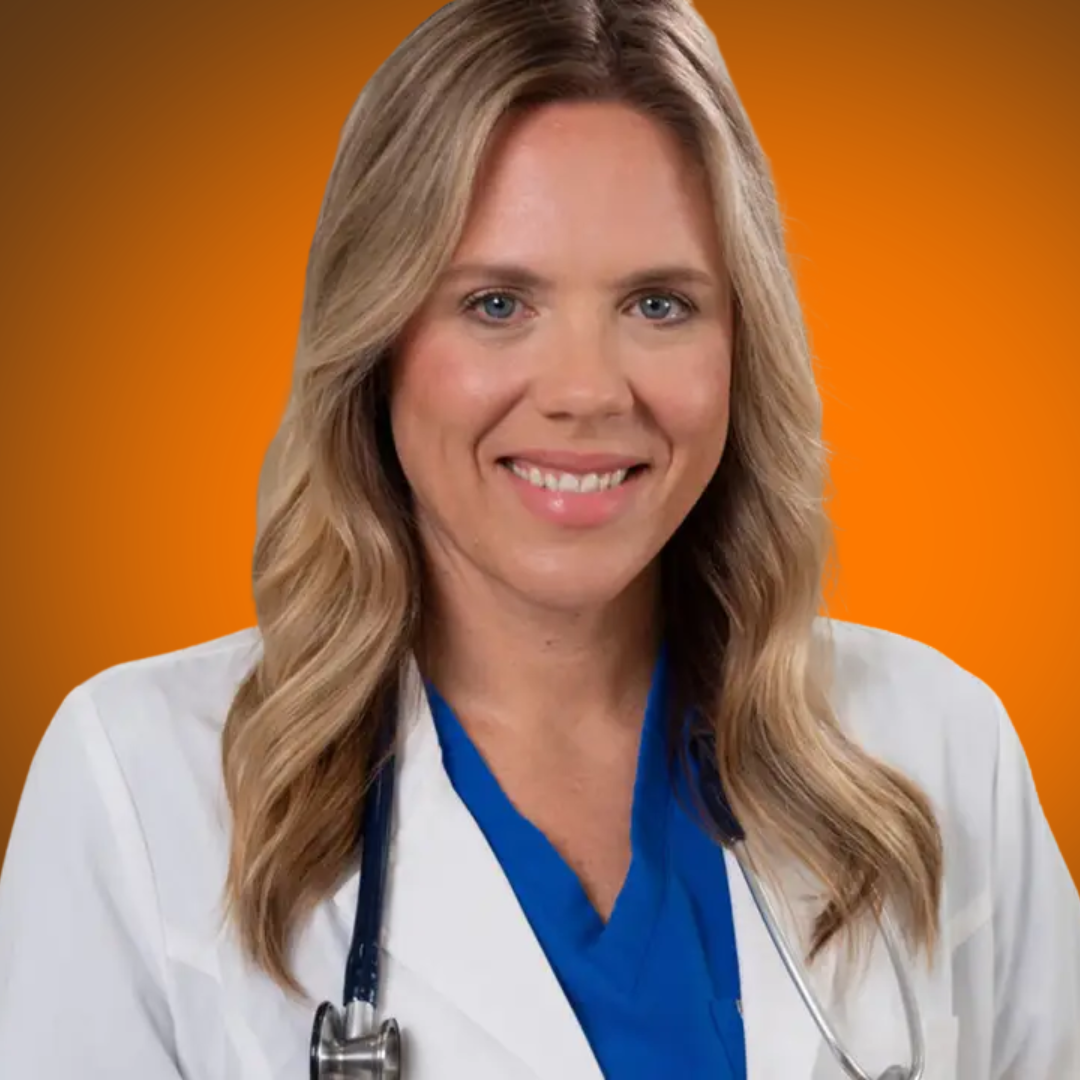

At some point during her hospitalization for severe sepsis, Angela Andrews, MD, DipABLM stopped trying to rest and started just waiting. The interruptions were constant, the environment was isolating, and the longing to go home had nothing to do with being healed. "I desperately wanted to go home just so I could get better rest," she recalled. That week, and a shorter stay that followed within the same year, left her with a working understanding of inpatient care that no clinical rotation had provided.
But the more consequential lesson came before either hospitalization. Andrews had been sent home twice for the same complaint. Rather than press further, she did what many patients do quietly and without anyone noticing: she stopped seeking help. The eventual result was a tubo-ovarian abscess, a prolonged hospitalization, and a PICC line. What had pushed her to that point was not confusion about her own symptoms. It was the look. "I quickly learned to filter my symptoms and story to avoid a dismissive look," she said. A physician, trained to recognize illness, had learned instead to manage the emotional calculus of being believed.
That experience reshaped how Andrews listens in her own practice. She now works to validate every concern and to stay alert to what a patient is not saying, recognizing that anxiety can shape how symptoms are reported and how they are received. The standard she set for herself is direct: she takes patients seriously until she has proven it is not serious, rather than the reverse.
Asked whether empathy can be taught, or whether medical training can approximate the patient experience, Andrews was skeptical.
"You can't simulate sitting on the other side of an exam room door with a complaint or concern — that vulnerability isn't something you can role-play."The closest available substitute, she suggested, is accompanying someone you love and watching them be dismissed or made to wait. Even that, she noted, falls short. "You're still not the patient."
What she recommends instead is simple and costs nothing: listen to patient stories, and believe them the first time. It is a standard that, had it been applied to her, might have spared her a PICC line. The question she leaves open is why it so often is not.
