
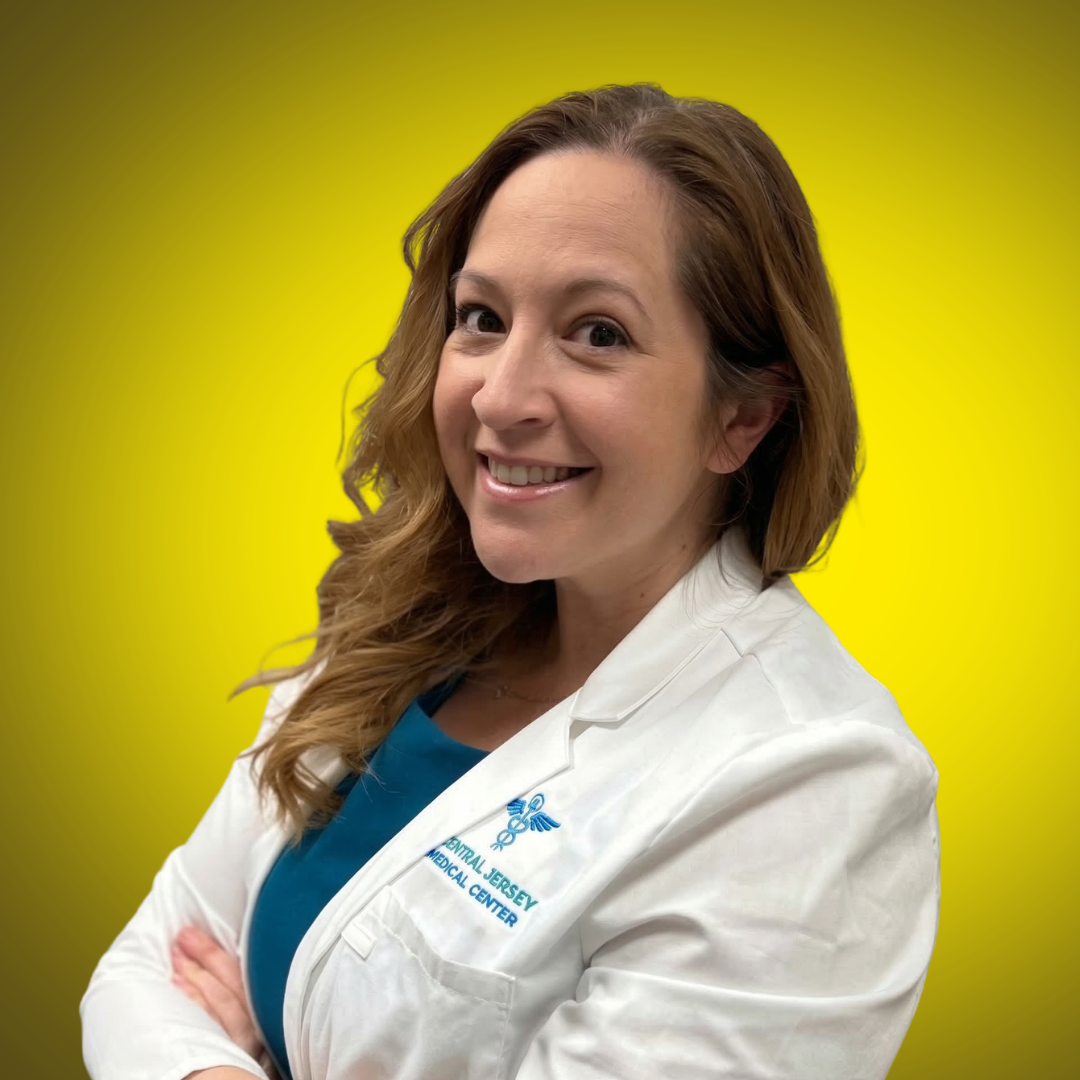

When Cindy Vuittonet, MD, FACP, FASAM, DABOM walks into an exam room and begins speaking Spanish, she watches something happen to her patients before she has said anything clinical at all. "The moment I start speaking Spanish, the emotional weight is lifted off a patient and their families' shoulders," she said. That shift, from guarded to present, is where treatment actually begins. Everything else follows from it.
Vuittonet practices internal medicine, addiction medicine, and obesity medicine within a single primary care setting, a combination that most patients never encounter in one physician and that most systems do not think to build. The rationale for bringing those disciplines together, she argues, is not administrative convenience. It is biology. Addiction and obesity, in her framing, share a foundation in the neurobiology of reward and motivation. Both are chronic, relapsing conditions shaped by genetic, metabolic, psychological, environmental, and social factors operating at once. Treating one while ignoring the other means working against the same underlying disease from only one direction. Effective treatment, she holds, requires evidence-based pharmacotherapy alongside behavioral interventions, harm reduction strategies, and care extended over the long term.
The cultural dimension of that care is where Vuittonet's thinking diverges most sharply from standard clinical assumptions. Language access is the entry point, but the deeper issue is what a physician does with the trust that language opens up. Food, she points out, is not a neutral variable to be optimized in a treatment plan. "Understanding that food is part of our culture and our heritage," she said, "and taking that away for a diet is stripping an individual of their culture." A physician who hands a Spanish-speaking patient a caloric restriction sheet without reckoning with that reality has not treated the patient. She has handed them a document.
"It is not just about language, but also understanding the culture."
Vuittonet's orientation toward underserved communities is not a specialty she arrived at from the outside. Her grandmother, who dreamed of becoming a physician and worked as a curandera, a traditional healer, in Mexico, never had the access that would have made that possible. Vuittonet trained with that history in view, and it shapes how she thinks about what medicine owes to patients whose circumstances have kept care at a distance. Addressing social determinants of health, she believes, is inseparable from improving outcomes. "I treat patients how I want my family to be treated," she said. That sentence carries the weight of everything she did not have to spell out.
The practical consequence of her approach is a practice model that refuses the compartmentalization most specialty care imposes. A patient dealing with substance use disorder and weight-related illness does not get referred in two different directions toward two different waiting rooms. The reward pathways that make quitting feel impossible and the metabolic patterns that make weight loss feel futile are not coincidentally similar. They are the same system asking for the same quality of longitudinal attention. What changes, in Vuittonet's practice, is who is in the room and whether that person, when they speak, sounds like someone who already understands.
