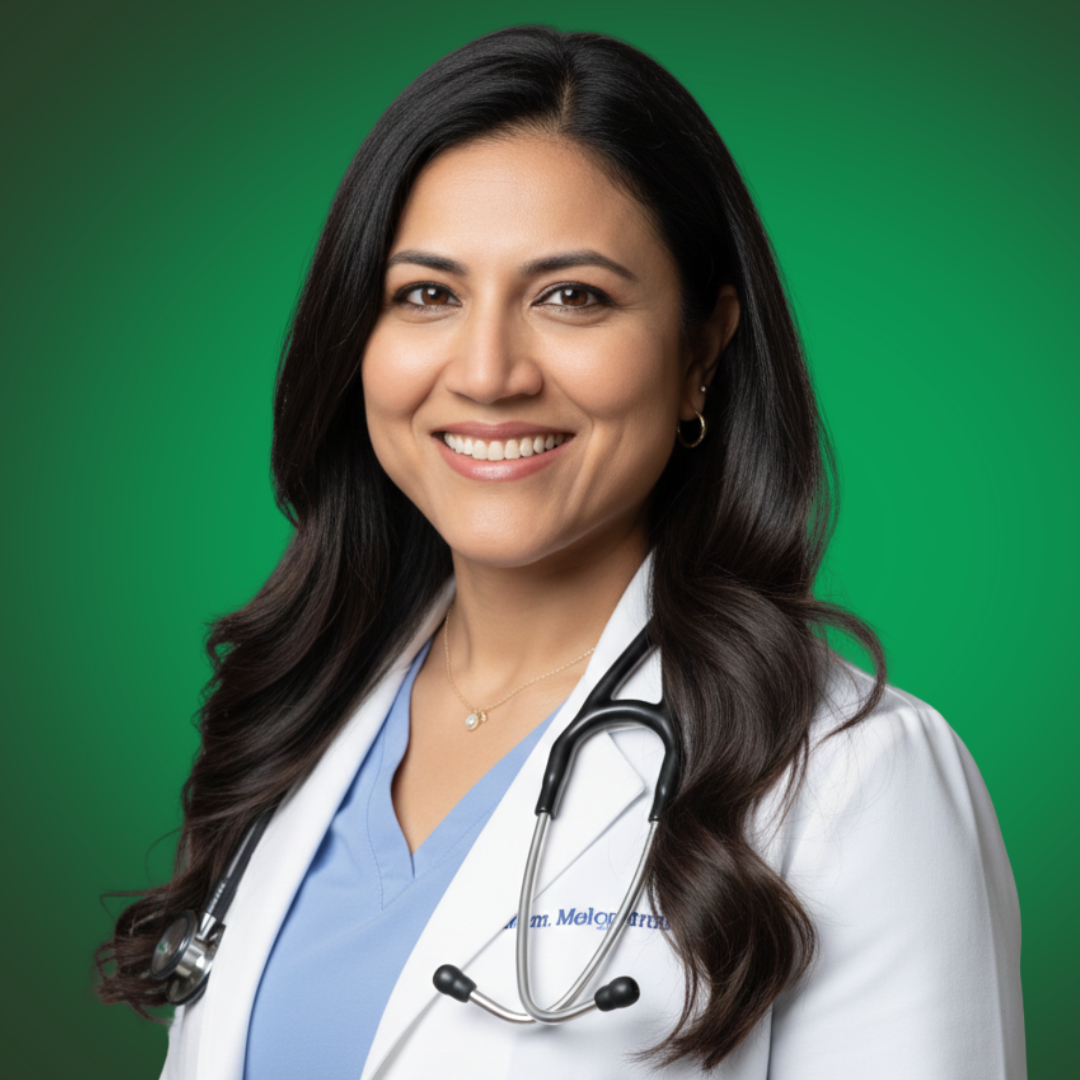

Artificial intelligence has arrived in clinical medicine not with a single dramatic moment but through a steady accumulation of tools, platforms, and promises. Scheduling algorithms, ambient documentation software, diagnostic image analysis, predictive risk models — the technology is already embedded in many health systems, and the debate among physicians has shifted from whether AI belongs in medicine to what role it should actually play. For Dr. Sejal Desai, a physician specializing in obesity medicine, that question carries particular weight in a specialty where patient outcomes hinge as much on sustained trust and behavioral change as on any clinical protocol.
Dr. Desai is cautiously optimistic. She sees real potential in AI's ability to detect patterns that might escape a clinician's attention during a standard appointment, flag patients earlier for intervention, and tailor treatment recommendations to the individual. The administrative burden on physicians has grown considerably over the past decade, and she views AI-assisted documentation as a meaningful way to reclaim time at the bedside. She is also drawn to the prospect of AI as a patient education tool. As she put it, AI has the potential to "help translate complex medical information into understandable education for patients, empowering them to better advocate for their health."
The concerns, though, run equally deep. Dr. Desai worries about what gets lost when technology becomes the intermediary between physician and patient. Empathy, intuition, and the kind of trust that develops over years of care are not qualities that can be encoded into a model. She also raises harder structural questions about how these tools are built and who they serve.
"I'm also concerned about misinformation, bias within AI models, overreliance on technology, and widening disparities if these tools are not implemented thoughtfully and equitably."
That last point — equity — tends to receive less attention in the largely optimistic discourse around health AI. Access to cutting-edge technology has never been evenly distributed across the American healthcare system, and there is little reason to assume AI will be different without deliberate effort. Patients in under-resourced settings, those with limited digital literacy, and communities that already face systemic barriers to quality care are at real risk of being left further behind if implementation follows the path of least resistance rather than genuine inclusion.
Dr. Desai's framing of the physician-AI relationship is worth noting for what it resists. She does not position the technology as a threat to the profession, and she does not dismiss the concerns as technophobia. Her view is more considered: AI as a capable instrument that depends entirely on how it is wielded. She wrote that she believes "the future of medicine will involve physicians and AI working together, with AI serving as a powerful tool, but never replacing the importance of human connection and clinical judgement." In obesity medicine, where stigma is pervasive and patients often carry years of frustration with a healthcare system that has failed them, the stakes of depersonalized care are not abstract.
The broader conversation about AI in medicine has no shortage of engineers, executives, and policy analysts. What it sometimes lacks is the perspective of physicians who sit across from patients every day and understand what a clinical encounter actually requires. Dr. Desai's position is not that the technology should slow down, but that the humans guiding it need to stay clearly in the room.