
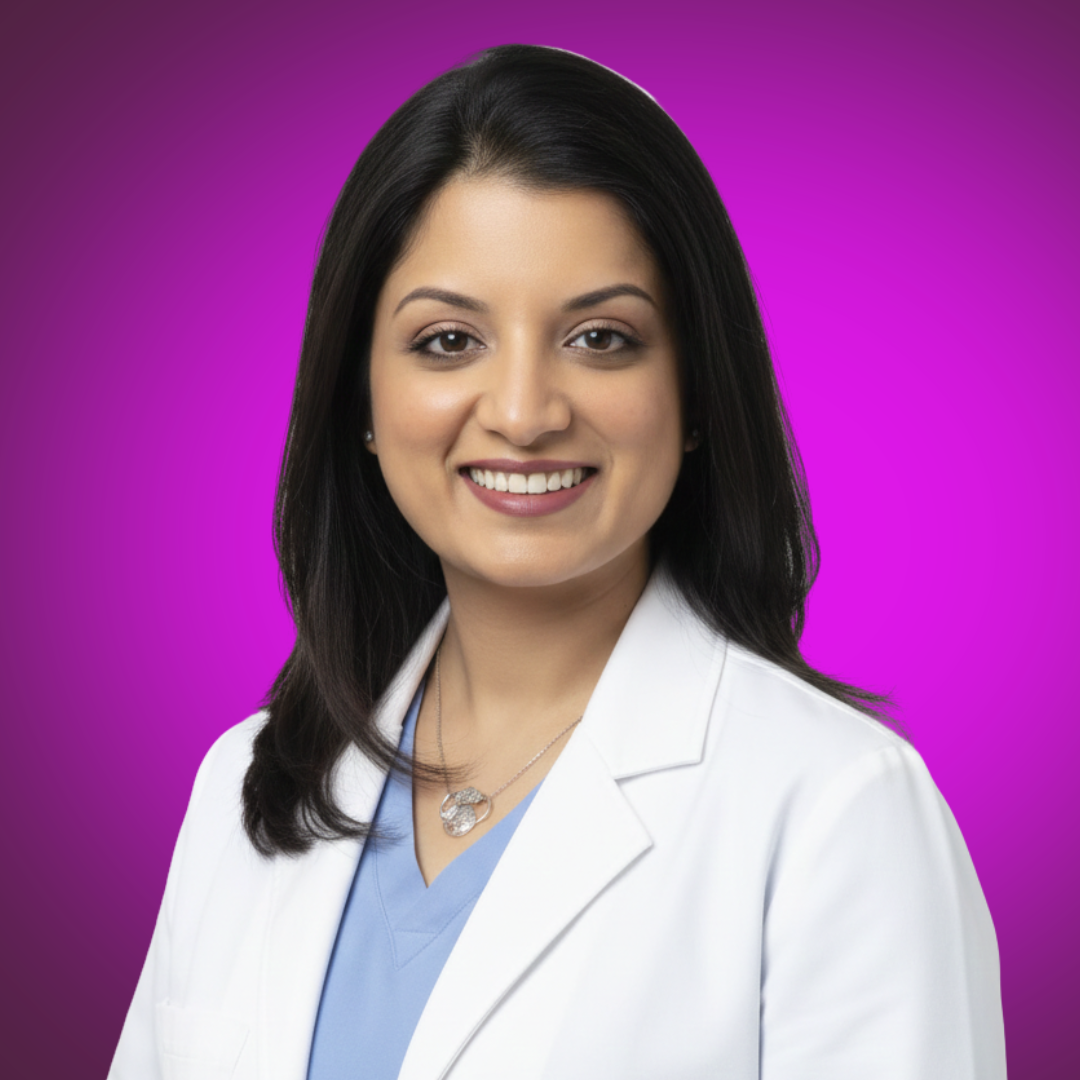

The problem in medicine, as Shikha Jain MD FACP sees it, is rarely a shortage of compassion or expertise. It is friction. Fragmented records. Documentation burdens that consume the hours a clinician might otherwise spend with a patient. Missed follow-ups that turn a manageable condition into a crisis. For an oncologist whose patients are often navigating the most frightening moments of their lives, that friction is not abstract. And it is where she believes artificial intelligence, if built and deployed with care, could genuinely change something.
"What excites me most is not AI replacing physicians," she has said. "It is AI helping physicians be more present, more informed, and more connected to the patients in front of them." That framing matters, because the public debate about AI in medicine tends to collapse into two positions: enthusiastic predictions of autonomous diagnostic systems, or fearful warnings about algorithms supplanting human care. Jain MD FACP is making a different argument, one that is quieter and, in some ways, more demanding. She is asking whether AI can be used to make medicine more human.
Her optimism is specific. She points to clinical decision support, pattern recognition, administrative automation, and tools that could help identify which patients need outreach before they deteriorate. For patients, the potential extends to improving access, personalizing treatment, and helping people actually understand their diagnoses. These are not futuristic scenarios. They are problems that exist in clinical practice today, and they are the kind of problems where well-designed technology could reduce harm rather than introduce it.
But Jain MD FACP is equally direct about what could go wrong. "Technology is never neutral," she said. If AI systems are trained on biased data, deployed without transparency, or used primarily to cut costs rather than improve care, they risk amplifying the disparities already embedded in American medicine. The patients with the least access to high-quality care, she argued, could be the most harmed by tools that were never designed with them in mind. That is a specific and serious concern, and it cuts against the tendency to treat AI adoption as an unqualified good.
There is also the question of overreliance. AI can support clinical decision-making, in her view, but it cannot substitute for clinical judgment, lived experience, or the relationship between a patient and their physician. "Medicine requires context, nuance, and trust," she said. "Those cannot be outsourced to an algorithm." The risk she is describing is subtle: a tool that handles pattern recognition competently enough that a clinician begins to defer to it in situations where the clinical picture is more complicated than the training data.
What the conversation is still missing, she suggested, is governance with real teeth and diverse voices at the table when these tools are being built, not after. The promise she describes is genuine. So is the condition attached to it: that AI be used to strengthen the human side of medicine, not to quietly erode it. Whether health systems, payers, and technology developers share that priority is a question her patients may not have the luxury of waiting to see answered.
